

Transfert du modèle MOLOCH au Service Météorologique du Niger
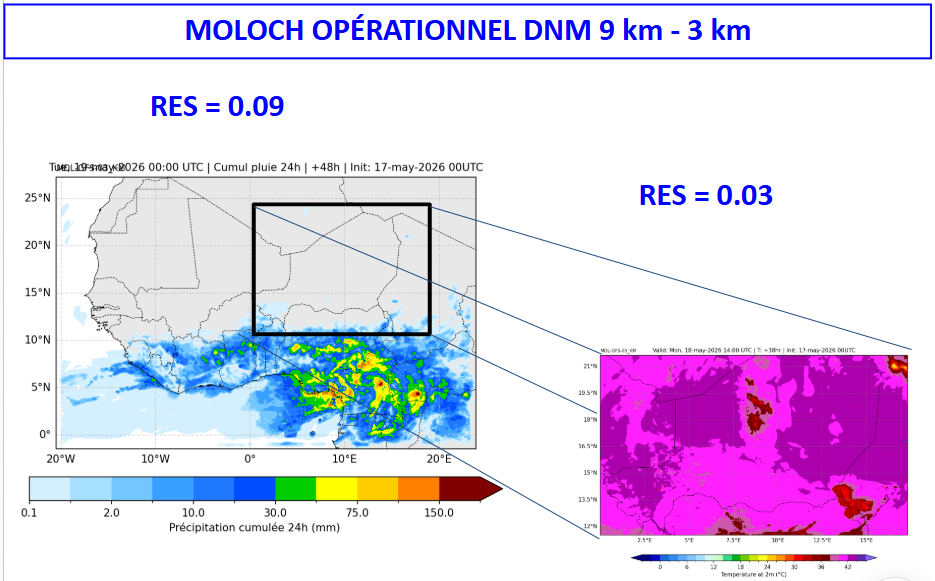
Dans le cadre du projet SLAPIS Sahel, les services météorologiques du Niger (DNM) et du Burkina Faso (ANAM) ont manifesté un vif intérêt pour le modèle opérationnel MOLOCH, développé par le CNR en Italie. Pour répondre à cet intérêt, une mission au Burkina Faso a été organisée pour assurer la formation, l’installation et le test […]
Previsione delle Interruzioni di Energia Elettrica: Dai Metodi Classici agli Approcci di Machine Learning
Il Centro Regionale di Formazione dell’Organizzazione Meteorologica Mondiale (WMO-RTC) in Italia ed il Consorzio LaMMA organizzano un seminario online che sarà tenuto dal dott. Diego Cerrai (University of Connecticut) martedì 26 Maggio 2026 alle 15:00. Sarà possibile seguire gratuitamente in seminario online previa registrazione al seguente link: Registrazione Webinar Previsione delle Interruzioni di Energia Elettrica: Dai Metodi […]
2026: Une saison excédentaire à moyenne dans le Sahel Centre et Est et normale à déficitaire dans la zone soudanienne et le Sahel Ouest
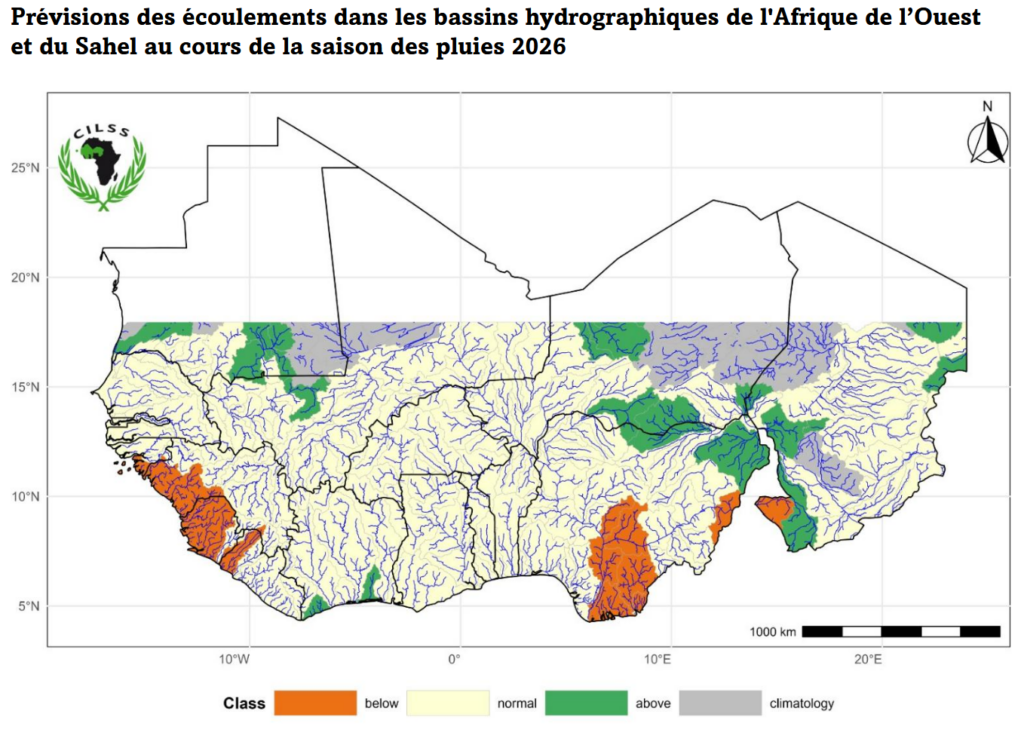
Forum 2026 des Prévisions Saisonnières des caractéristiques Agro-hydro-climatiques de la saison des pluies pour les zones Soudanienne et Sahélienne de l’Afrique l’Ouest et du Sahel (PRESASS, 2026) Pour la saison des pluies 2026, il est attendu des cumuls pluviométriques excédentaires à moyens dans le Sahel Centre et Est et normaux à déficitaires dans la zone […]
Metodi di Machine Learning per calcolare le climatologie della rete Meteonetwork partendo da dati incompleti
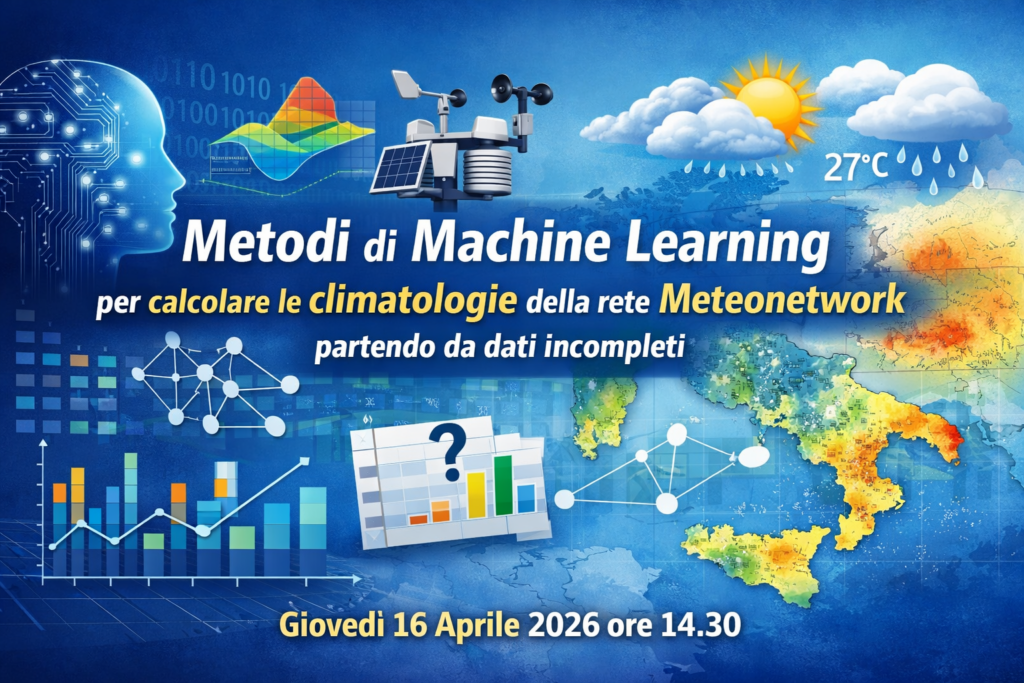
Il Centro Regionale di Formazione dell’Organizzazione Meteorologica Mondiale (WMO-RTC) in Italia ed il Consorzio LaMMA organizzano un seminario che sarà tenuto dal dott. Guido Cioni (Airbus/MeteoNetwork) giovedì 16 Aprile 2026 alle 14:30. Sarà possibile seguire gratuitamente in seminario online previa registrazione al seguente link: https://tinyurl.com/webinar-16aprile Metodi di Machine Learning per calcolare le climatologie della […]
Installation kit WRF and MOLOCH
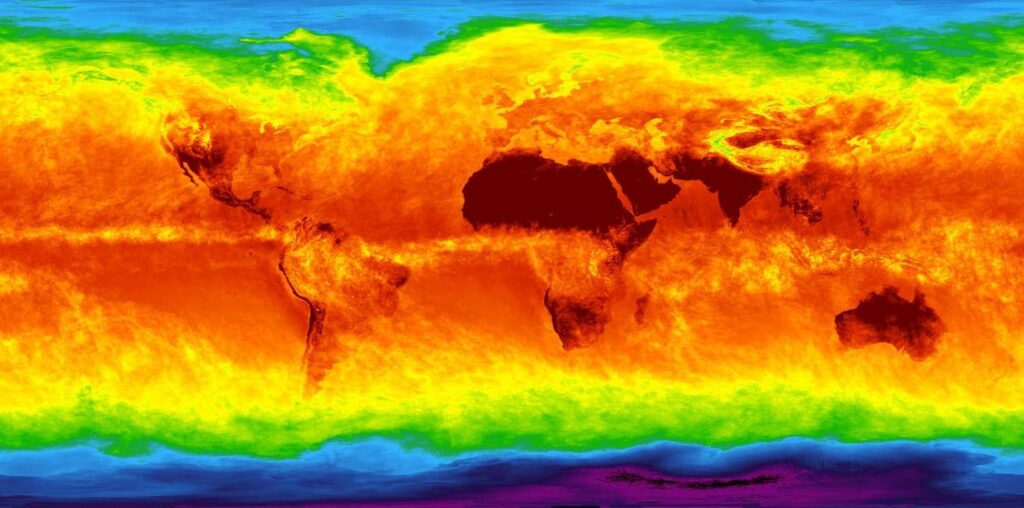
As part of the SLAPIS Sahel project, IBE-CNR, in collaboration with the LaMMA Consortium and the Regional Training Center of the World Meteorological Organization in Italy, organized a long-term training course on numerical weather prediction for the benefit of the National Meteorological Services of Niger (DMN) and Burkina Faso (ANAM). The training allowed one expert […]
Transfert of MOLOCH model to ANAM Burkina Faso
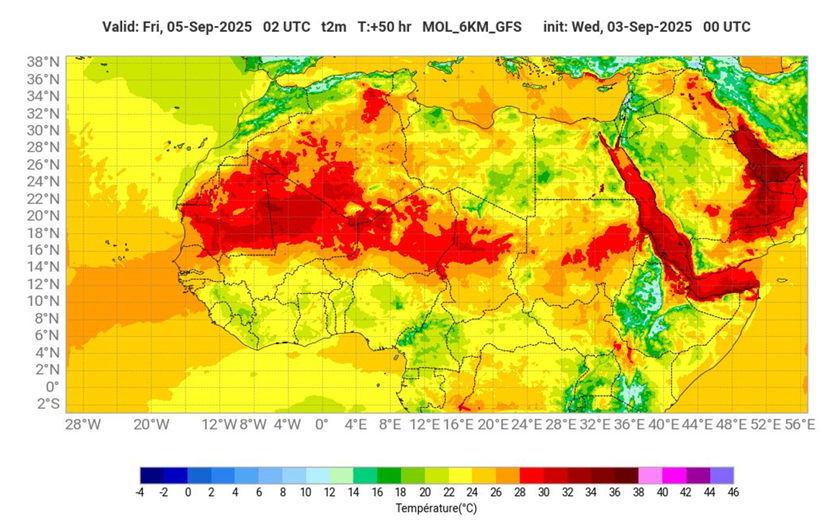
One of the main objectives of the SLAPIS Sahel project is to strengthen numerical weather forecasting (NWF) capabilities in order to support the hydrological early warning system. In this context, Niger’s National Meteorological Service (DNM) and Burkina Faso’s National Meteorological Agency (ANAM) have made the strategic decision to develop a weather forecasting chain based on […]
From Training to Transformation: Co-Developing Forecasting Capacities for Early Warning in West Africa
Training in operational methods for African National Meteorological Services (NMSs) is supported by the World Meteorological Organization (WMO) through its Regional Training Centres and the Consortium of WMO Education and Training Collaborating Partners (CONECT). Several centres within the WMO network offer Basic Instruction Packages for Meteorologists (BIP-M) and Meteorological Technicians (BIP-MT), and some NMSs provide […]
LaMMA and IBE-CNR with ANAM Burkina Faso for the Transfer of MOLOCH Model
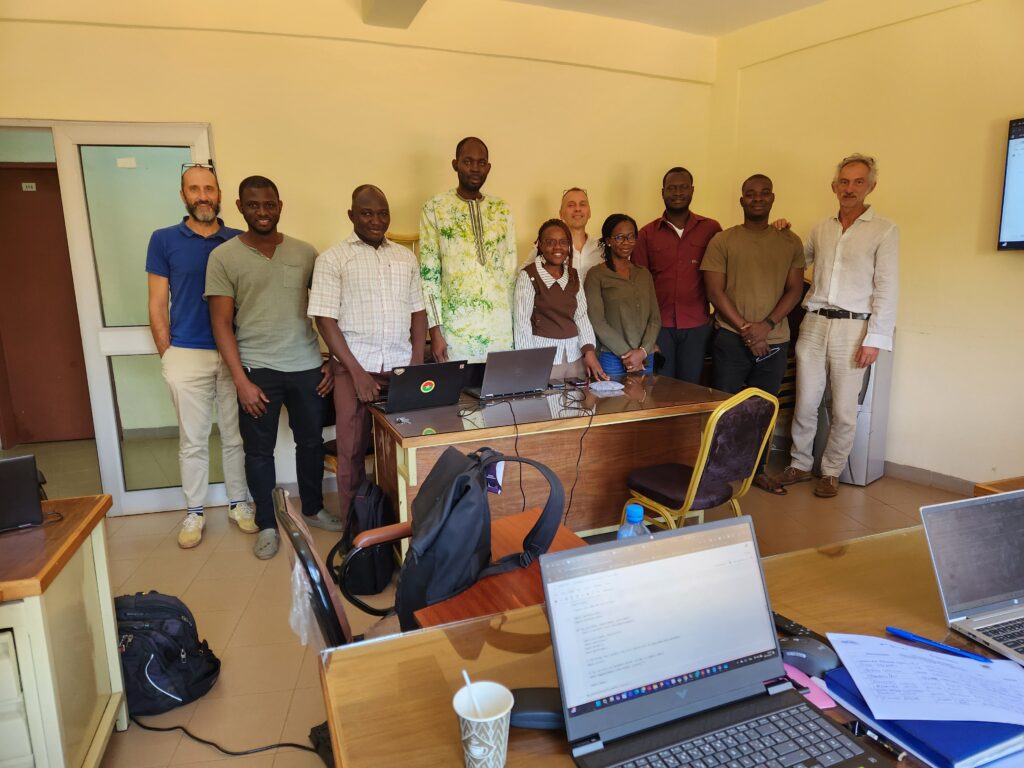
As part of the SLAPIS Sahel project, a capacity-building mission was carried out in Ouagadougou from 3 to 7 November 2025 to strengthen high-resolution Numerical Weather Prediction (NWP) capabilities in Burkina Faso. The initiative followed the strong interest expressed by both the Niger and Burkina Faso Meteorological Services in adopting MOLOCH, the convection-permitting operational model […]
Weather Forecasting and Climate Cooperation between Italy and Africa: Strengthening Early Warning and Resilience in the Sahel
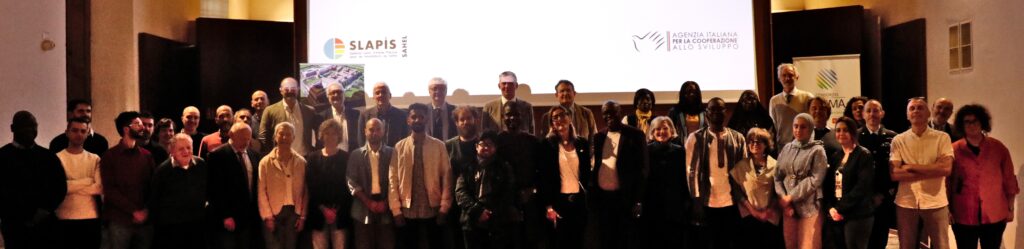
Florence, 14 October 2025 — Climate change is amplifying the frequency and intensity of extreme weather events worldwide, with devastating effects on societies, infrastructures and economies. These impacts are particularly severe in the Sahel, where high social and economic vulnerability combines with exposure to floods, droughts, and heatwaves. In response, Italian research and meteorological institutions […]
New WMO Online Course: Communicating Agrometeorological Information
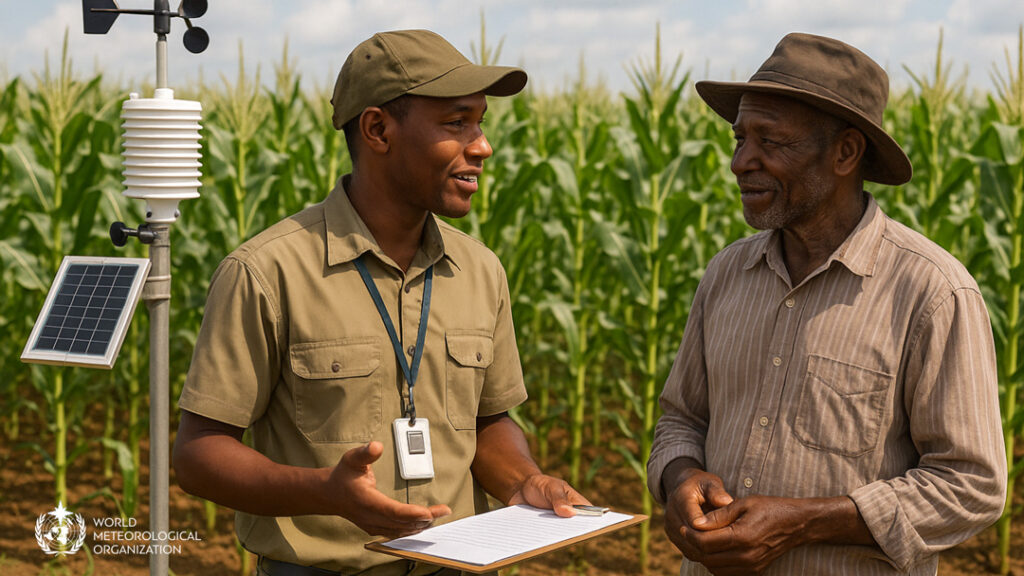
Understanding the weather is only part of the challenge. Ensuring that agrometeorological information is understood, trusted, and acted upon is key to building resilience in the agricultural sector. The World Meteorological Organization (WMO) has launched a new self-paced online course to help practitioners enhance their communication strategies. Because communication is not an add-on — it […]