
Training in operational methods for African National Meteorological Services (NMSs) is supported by the World Meteorological Organization (WMO) through its Regional Training Centres and the Consortium of WMO Education and Training Collaborating Partners (CONECT). Several centres within the WMO network offer Basic Instruction Packages for Meteorologists (BIP-M) and Meteorological Technicians (BIP-MT), and some NMSs provide internal training in weather forecasting, aviation meteorology and other operational services.
For many developing-country NMSs without internal training facilities, advanced capacity development often relies on short, intensive courses lasting one or two weeks and focused on specific techniques or tools. While these courses can improve knowledge and technical skills, they rarely lead to a meaningful increase in competence—which requires the sustained application of methods and tools within real operational environments.
In line with this principle, one of the most effective approaches to building lasting competence is to embed trainees within an operational team for a sufficiently long period. This allows them to acquire not only technical knowledge but also hands-on operational experience and an understanding of the team’s working practices.
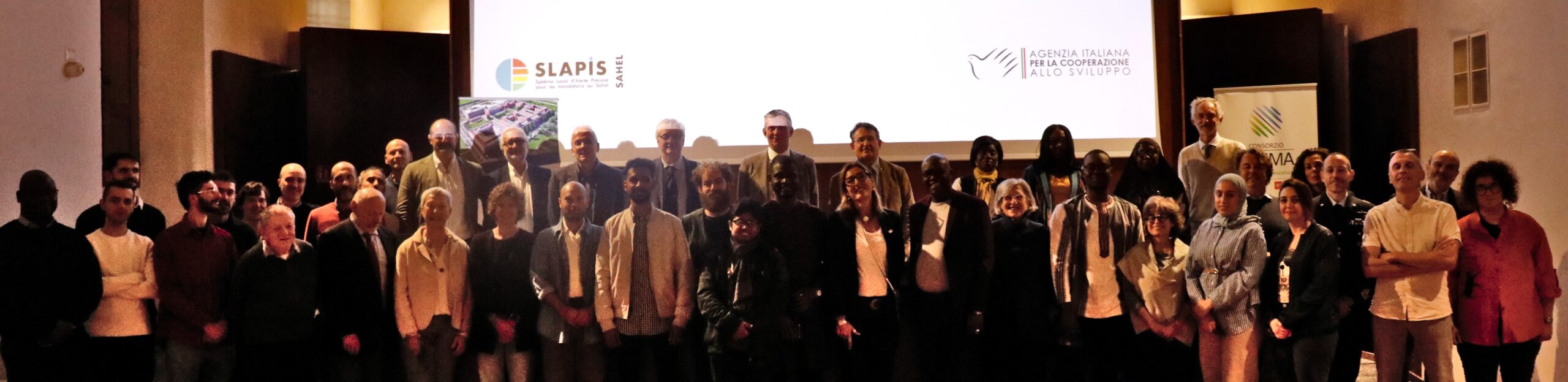
During the joint CALMET XVI and CONEC T 3 conference held in Florence, Italy, on 24–28 November 2025, a panel session presented the collaborative experience between the Meteorological Service of the Tuscany Region (LaMMA, Italy), the National Meteorological Services of Niger (DMN) and Burkina Faso (ANAM), supported by the National Research Council of Italy (CNR) through the Institute of BioEconomy (IBE) and the WMO Regional Training Center in Italy.
With the facilitation of Mr. Stephen Kerr (Meteorological Service of Canada), the panelists illustrated how, within the Slapis Sahel project, the WMO Regional Training Center in Italy designed and implemented a blended and integrated training programme aimed at strengthening the competencies of the NMSs of Niger and Burkina Faso. The objective was to enable local forecasters, modelers and IT specialists to operationalize regional Numerical Weather Prediction (NWP) chains in support of hydrometeorological early warning systems.
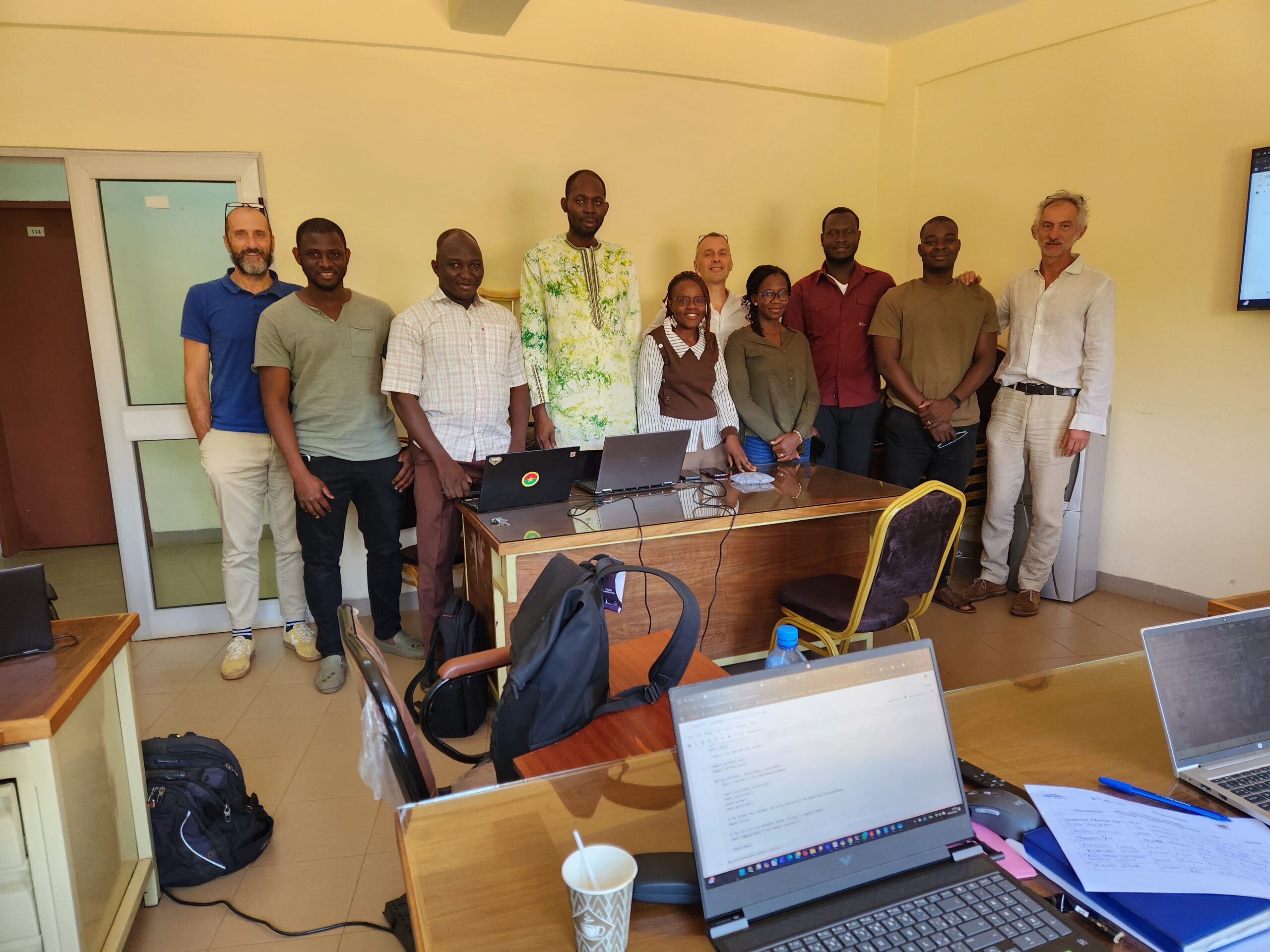
The cornerstone of this programme was the embedding of two modelers from the African partner institutions into the IBE–LaMMA operational team for more than a year. Working closely with Italian researchers and forecasters, they acquired not only technical knowledge and skills but also operational experience and competence in running and maintaining NWP systems. This training strategy is fully aligned with the WMO Competency Framework for Public Weather Service Forecasters and Advisers.
The panelists discussed both the results and the challenges of this approach, highlighting its mutual benefits for African and Italian institutions. They also outlined the conditions needed to ensure the sustainability and replicability of embedding trainees within operational teams, including institutional commitment, technical readiness and individual motivation.
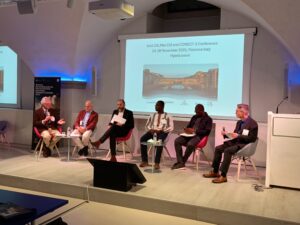
The Panlelists; from left to right: Vieri Tarchiani, Bernardo Gozzini, Valerio Capecchi, Rakiswende Thomas Bere, Younoussa Adamou Sayri and Stephen Kerr.